Medical injection moulding

Prototypes and low quantities? Upload your file now.

Get a QuickQuote®
or

High-volume production? Start your inquiry now.

Submit a Production Request

Medical Injection Moulding Manufacturer for Custom Parts

Quickparts is a full-service tooling provider specializing in medical-grade plastic parts, from early-stage prototyping through full production. Whether you’re developing a Class I device or scaling up for clinical trials, our team helps you refine your part design, choose biocompatible materials, and ensure your tooling supports tight tolerances and consistent results.

We own and operate our own manufacturing facilities, so we provide faster lead times, stricter process control, and direct communication with the experts building your parts.

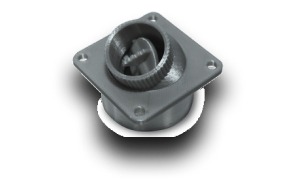
Quick Moulded Medical Parts

  • Parts delivered in as little as 7 days
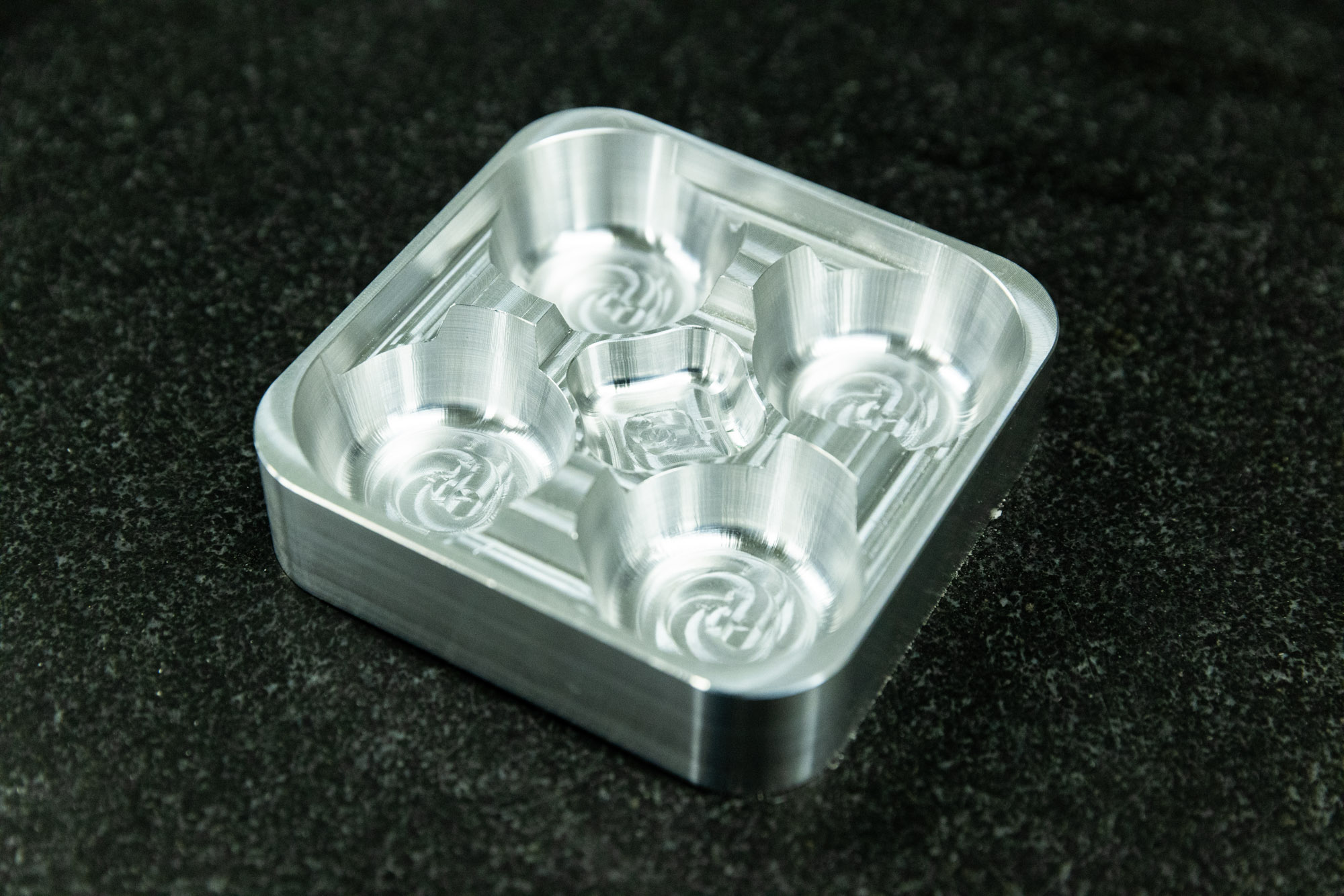
  • Aluminum moulds for faster machining and lower upfront cost
  • Tight tolerances and production-grade quality
  • Hundreds to thousands of parts supported
  • Full design-for-manufacturing review included
  • Perfect for bridge production or pilot runs

Medical Device Prototypes

  • Production-grade materials for functional testing
  • Little to no design restrictions
  • Accelerated timelines for regulatory review
  • Built using the same processes as final parts
  • Design reviewed by engineers for manufacturability

Complete Production

  • Full traceability of materials and processing steps
  • Class I, II, and III device production
  • Custom quality documentation available on request
  • Large-part and high-volume capacity in-house
  • Leverage ISO 13485-certified partnerships
  • Proven FDA project support

Quickparts’ advanced moulding techniques for medical devices

electrical parts prototyping
  • Plastic injection moulding:

    Produces high-precision medical parts by injecting molten thermoplastics into a custom mould.

  • Overmoulding:

    Enables creation of multi-material components with distinct properties.

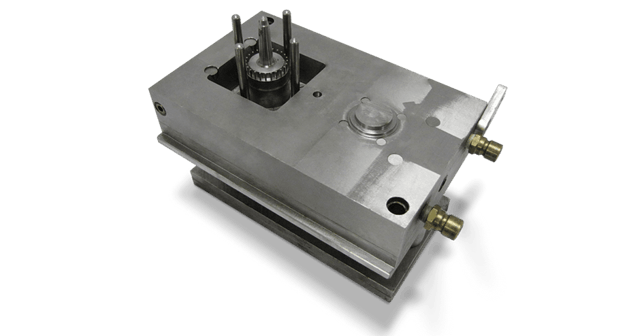
  • Hot runner moulds:

    Optimizes cycle times and minimizes material waste.

  • Insert moulding:

    Integrates metal or other inserts for enhanced strength or functionality.

  • Highly intricate tooling:

    Produces parts with complex geometries and tight tolerances.

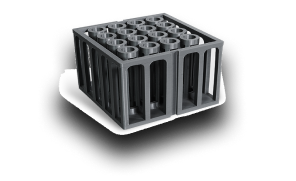
  • Multi-cavitation tooling:

    Increases production efficiency by creating multiple parts per cycle.

Benefits of Using Injection Moulding for Medical Devices

Medical Injection Moulding Materials

Materials

Quickparts offers hundreds of medical-grade thermoplastics, each selected for its biocompatibility, strength, and sterilization compatibility. We’ll help you choose the right material based on performance needs like chemical resistance, flexibility, clarity, and whether your part will be autoclaved, sterilized, or used in-body.

Common materials include:

  • Medical-grade Polycarbonate (PC)
  • Medical-grade Polypropylene (PP)
  • Polyether Ether Ketone (PEEK)
  • ULTEM™ / Polyetherimide (PEI)
  • Acrylonitrile Butadiene Styrene (ABS)
  • Thermoplastic Elastomer (TPE)
  • Thermoplastic Polyurethane (TPU)
  • Nylon 6 and 66
  • Acetal / Polyoxymethylene (POM)
  • Polymethyl Methacrylate (PMMA)
  • Polyethylene (HDPE, LDPE)
  • Medical-grade silicone (for insert moulding)

If you need a specific resin for regulatory reasons, we can help source it or use material supplied directly by your team.

Learn More

Finishes

Quickparts supports all standard medical-grade surface finishes, including smooth, high-polish, or textured surfaces depending on part function and material. We’ll guide you based on sterilization needs, cosmetic goals, and compatibility.

When to Use Injection Moulding for Medical Devices

Connect with an Injection Moulding Specialist for Your Medical Product Needs – Get a Free Online Quote

This field is for validation purposes and should be left unchanged.
Name(Required)

Medical injection moulding FAQs

What is medical injection moulding?

Medical injection moulding is a manufacturing process used to produce high-precision plastic parts for medical devices, lab equipment, and healthcare components. It involves injecting molten plastic into a custom steel or aluminum mould to create consistent, repeatable parts that meet strict medical-grade standards.

What is the difference between medical and pharmaceutical injection moulding?

Medical injection molding refers to parts used in devices like surgical tools, diagnostic equipment, or implantable components. Pharmaceutical injection molding usually supports drug delivery systems like pill casings, inhalers, or packaging that must meet FDA regulations for direct contact with medication. Both processes follow strict quality and cleanliness standards, but their applications differ.

What is the injection moulding process for medical products?

The process starts with our team reviewing your 3D CAD files and selecting the right materials based on biocompatibility, strength, and heat resistance. A custom mold is created, then plastic is heated and injected into it under pressure. After cooling, the part is ejected and inspected. Throughout the process, Quickparts runs design-for-manufacturing checks and quality reviews to make sure each part meets exact specifications.

What are the different kinds of injection moulding for medical devices?

Several techniques support medical device manufacturing, including:

  • Standard injection molding for high-volume production of precise components
  • Insert molding to embed metal or threaded inserts inside plastic parts
  • Overmolding to combine multiple materials
  • Hot runner molds to reduce cycle times and material waste
  • Multi-cavity or family molds to produce multiple parts in one cycle