Injection moulding company in the UK

UK Injection Moulding Manufacturer for Custom Parts

Quickparts is a hands-on injection moulding manufacturing partner supporting projects from initial design to full-scale production. Whether you’re validating a prototype or gearing up for a larger run, our team works closely with you to optimise your part design, select the best-fit materials, and build tooling that can scale with your needs.

Unlike brokers or marketplaces, we operate our own UK and global production facilities, which means you get faster lead times, direct communication with the team building your parts, and greater control over quality throughout the process.
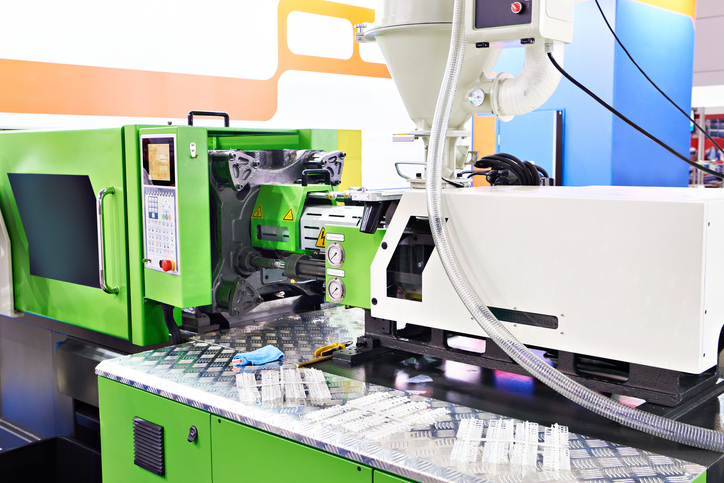
As a qualified Injection Moulding supplier in the UK, we offer a range of advanced techniques, including:

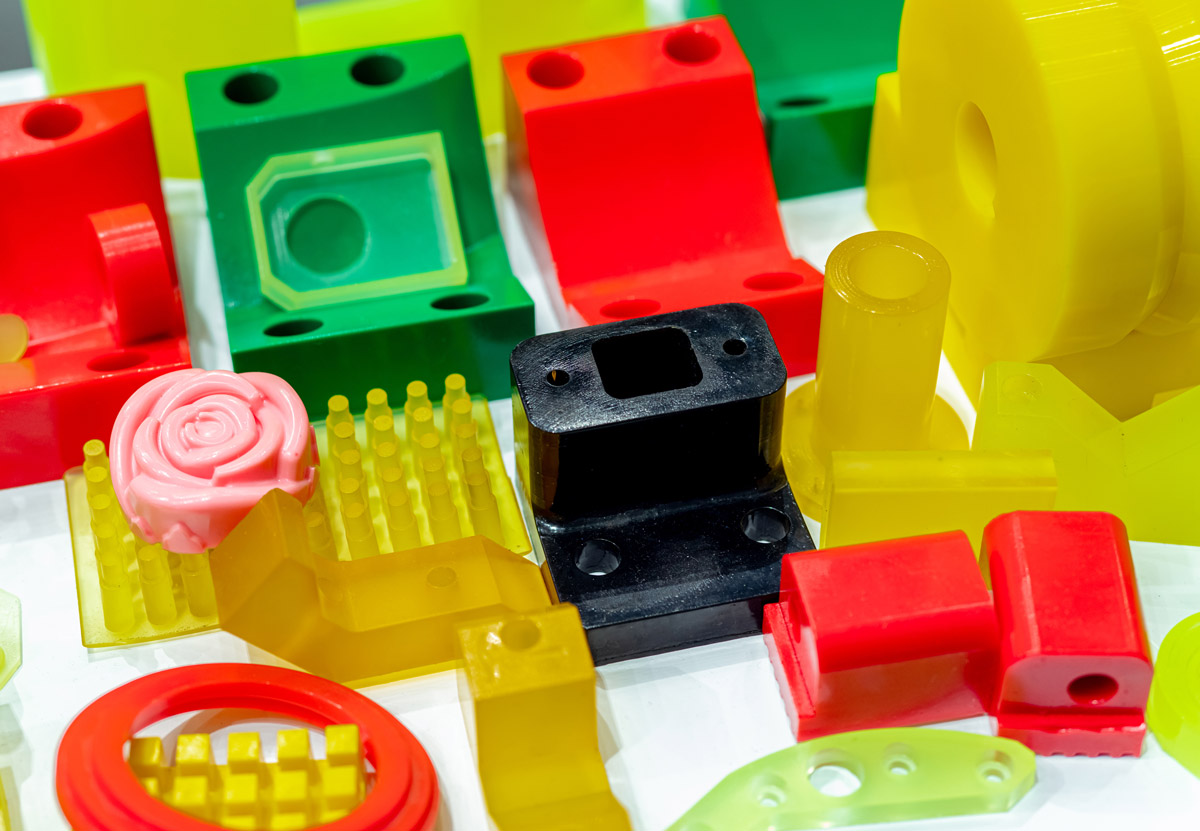
quick molded part
  • Overmoulding:

    Enables creation of multi-material components with distinct properties.

  • Stack Moulding:

    Produces multi-level injection moulded parts through stacked mould faces.

  • Hot Runner Moulds:

    Optimizes cycle times and minimises material waste.

  • Insert Moulding:

    Integrates metal or other inserts for enhanced strength or functionality.

  • Highly Intricate Tooling:

    Produces parts with complex geometries and tight tolerances.

  • Multi-Cavitation Tooling:

    Increases production efficiency by creating multiple parts per cycle.

Benefits of Injection Molding with Quickparts

Injection Moulding Materials & Finishes

Materials

Quickparts offers hundreds of commercially available thermoplastics. Our team helps you choose the most suitable material based on strength, flexibility, temperature resistance, chemical exposure, and visual finishes so your parts meet all functional requirements.

Common materials include:

  • Acrylonitrile Butadiene Styrene (ABS)
  • High-Density Polyethylene (HDPE)
  • Low-Density Polyethylene (LDPE)
  • Polycarbonate/ABS blend (PC/ABS)
  • Polyethylene Terephthalate (PET)
  • Polymethyl Methacrylate / Acrylic (PMMA)
  • Polyoxymethylene / Acetal (POM)
  • Polycarbonate (PC)
  • Polypropylene (PP)
  • Polystyrene (PS)
  • Nylon 66 (PA 66)
  • Glass-Filled Nylon 66 (PA 66 GF)
  • Polyether Ether Ketone (PEEK)
  • Polyetherimide / ULTEM™ (PEI)
  • Thermoplastic Elastomer (TPE)
  • Thermoplastic Polyurethane (TPU)

Learn more

Finishes

We support all standard production-grade surface finishes to match your design and performance goals. Depending on the selected material and mould design, you can choose from polished, textured, matte, or gloss finishes. If you’re unsure which finish is best for your application, our team will guide you through the options so your parts look and perform exactly as needed.

Learn more

Injection Moulding Applications & Products

The Quickparts Injection Moulding Process

01

Initial meeting with injection moulding experts

It all starts with a conversation. We take the time to understand your part design, performance targets, and project goals before offering any guidance. That early alignment helps us shape the right solution and keeps your production process on track from the beginning.

02

Robust manufacturing analysis

Once we’ve received your CAD files, our engineers run a detailed manufacturability review. This includes checking dimensions, tolerances, materials, and mouldability to flag any potential issues. We’ll walk you through what’s working, what may need adjusting, and how to avoid setbacks later on.

03

Complete program review

Before production kicks off, we bring everything together for a full program review. That includes your quote, technical drawings, timeline, and any specific quality or regulatory requirements. This keeps the whole team aligned, and you’re able to move forward with full confidence.

04

First Article Inspection and quality review

Next, we produce an initial part for your approval. This first article undergoes a detailed inspection to confirm dimensional accuracy, part finish, and overall performance. If any tweaks are needed, we handle them quickly so the final production run meets your standards.

05

Production and delivery

Once we move into production, you’ll receive regular updates on tooling progress, run schedules, and shipping timelines. Delivery is coordinated to match your deadlines, with full visibility at each step.

06

A complete partnership

Quickparts supports you beyond the first order. If you need design iterations, larger production runs, or new material options, we’ll stay close to your project. Consider us a long-term extension of your team who cares just as much about your projects as you do.

Connect with an Injection Moulding Specialist in the UK – Get Your Custom Quote Today!

Submit your injection moulding project details for a tailored quote and expert guidance. One of our specialists will get in touch with you right away to discuss your requirements and next steps

Name(Required)
This field is for validation purposes and should be left unchanged.

Injection moulding FAQs

What is the injection moulding cycle?

The injection moulding cycle refers to the full process of creating a part in a mould. It starts with clamping the mould shut, then injecting molten plastic into the cavity. Once the plastic cools and solidifies, the mould opens and the part is ejected. Each cycle can take just seconds for small parts, or longer for more complex moulds.

What plastics are used in injection moulding?

Many thermoplastics can be used, depending on the part’s requirements. Common materials include ABS, polycarbonate, polypropylene, nylon, and polyethylene. Each plastic has different properties like strength, flexibility, or heat resistance, so we’ll help you choose the one that best fits your application.

Is injection moulding environmentally friendly?

It can be. Injection moulding produces very little waste per part since excess plastic can often be recycled or reground. Plus, once the mould is made, producing each part uses minimal energy. Using durable moulds and recyclable materials makes the process more sustainable over time.

How much does injection moulding cost?

Costs vary based on part complexity, material choice, and volume. The initial tooling (mould) is typically the largest upfront expense, but once that’s made, the cost per part is low, especially for higher volumes. We give every partner a detailed quote that breaks down tooling, material, and production costs.

What are the differences between prototype and production moulds?

Prototype moulds are typically made from softer, less expensive materials like aluminium and are designed for short runs, like testing part designs before full production. Production moulds use hardened steel, last much longer, and support high-volume output with tighter tolerances. Both help get your product to market, just at different stages of development.

How long does it take to produce injection moulding tools?

Lead times depend on part complexity and the type of mould. Quick-turn prototype tooling can be ready in as little as one week, while production-grade tools typically take 4–8 weeks after design approval.

What is the maximum part size for injection moulding?

At Quickparts, we can mould parts up to 1500 x 1000 x 350 mm depending on your project and tooling requirements. If your part pushes the size limit, we’ll advise on best-fit tooling or alternative approaches to meet your specs without compromising quality.