Global injection Moulding prototyping solution

Prototypes and low quantities?  Upload your file now.

Get a QuickQuote®
or

High-volume production?  Start your inquiry now.

Submit a Production Request

Injection Moulding Tooling, Prototyping, and Parts for Low Volumes

Accelerate your product development cycle with Quickparts’ advanced injection moulding solutions. We provide steel and aluminum tooling to create high-fidelity prototypes, pre-production parts, and series production components manufactured in production-grade materials. This allows for rigorous testing of functionality, durability, and reliability – all before committing to full-scale manufacturing.

  • Production-Grade Materials: Match the same materials used in final production runs for accurate performance testing.
  • Injection Moulding Design Freedom: Handle most geometries with ease and incorporate overmoulding, insert moulding and component integration to bring your innovative ideas to life without limitations.
  • Validate Your Design: Test functionality, durability, reliability, and conduct performance tests with confidence using real production-grade parts.
  • Bridge the Gap to Production: Seamlessly transition from prototyping to full-scale production with our bridge-to-production solutions.
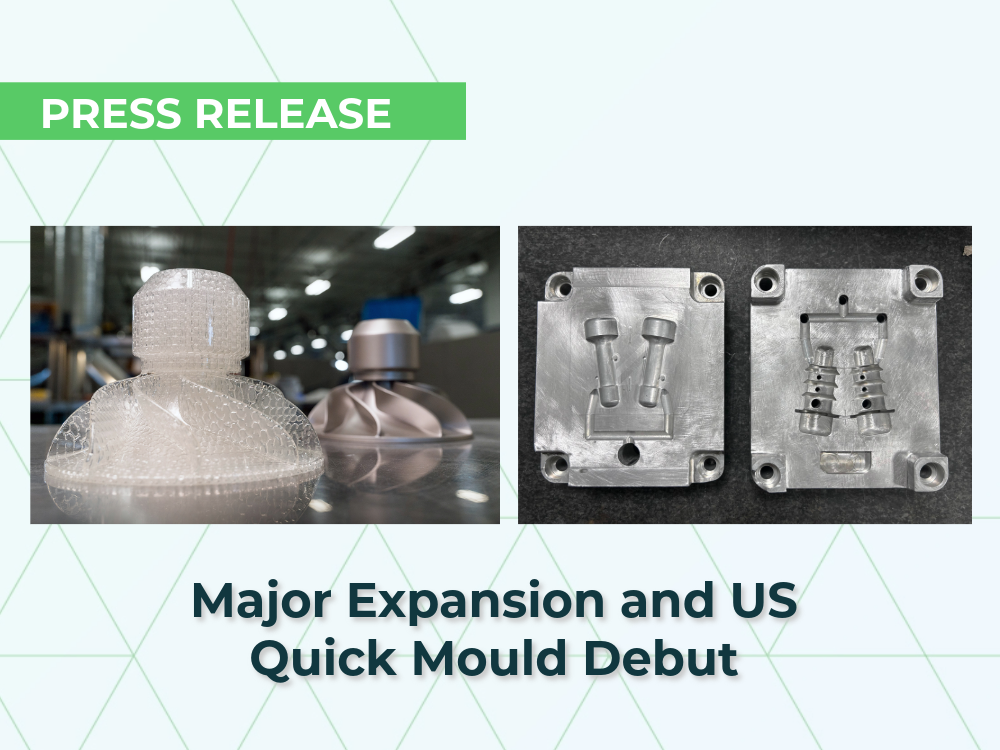
injection mold tool

Tooling and Parts

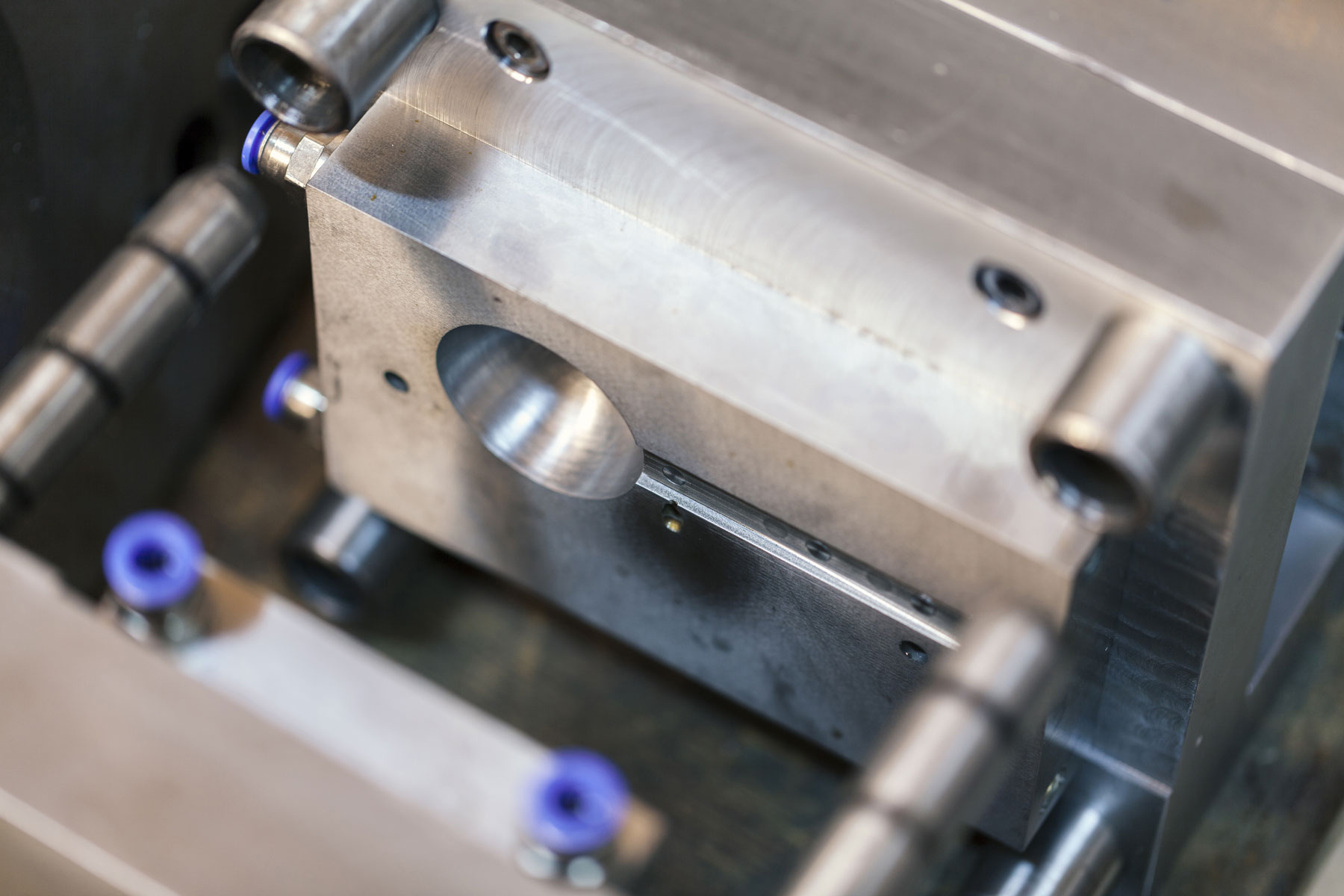
Our steel and aluminum tools are CNC machined on-site to standard tolerances of ±0.1mm. For parts requiring tighter tolerances, such as for medical devices or aerospace parts, tighter tolerances are achievable.

Our prototype tool life is generally 2,500 parts, and Quickparts ensures your mold inserts meet the highest quality standards. You retain ownership of the mold inserts used for prototyping or bridge production.

Maximum build size: 200 x 200 x 114mm or 8″ x 8″ x 4.5″.

plas

Over 30 Materials in Stock for Prototyping

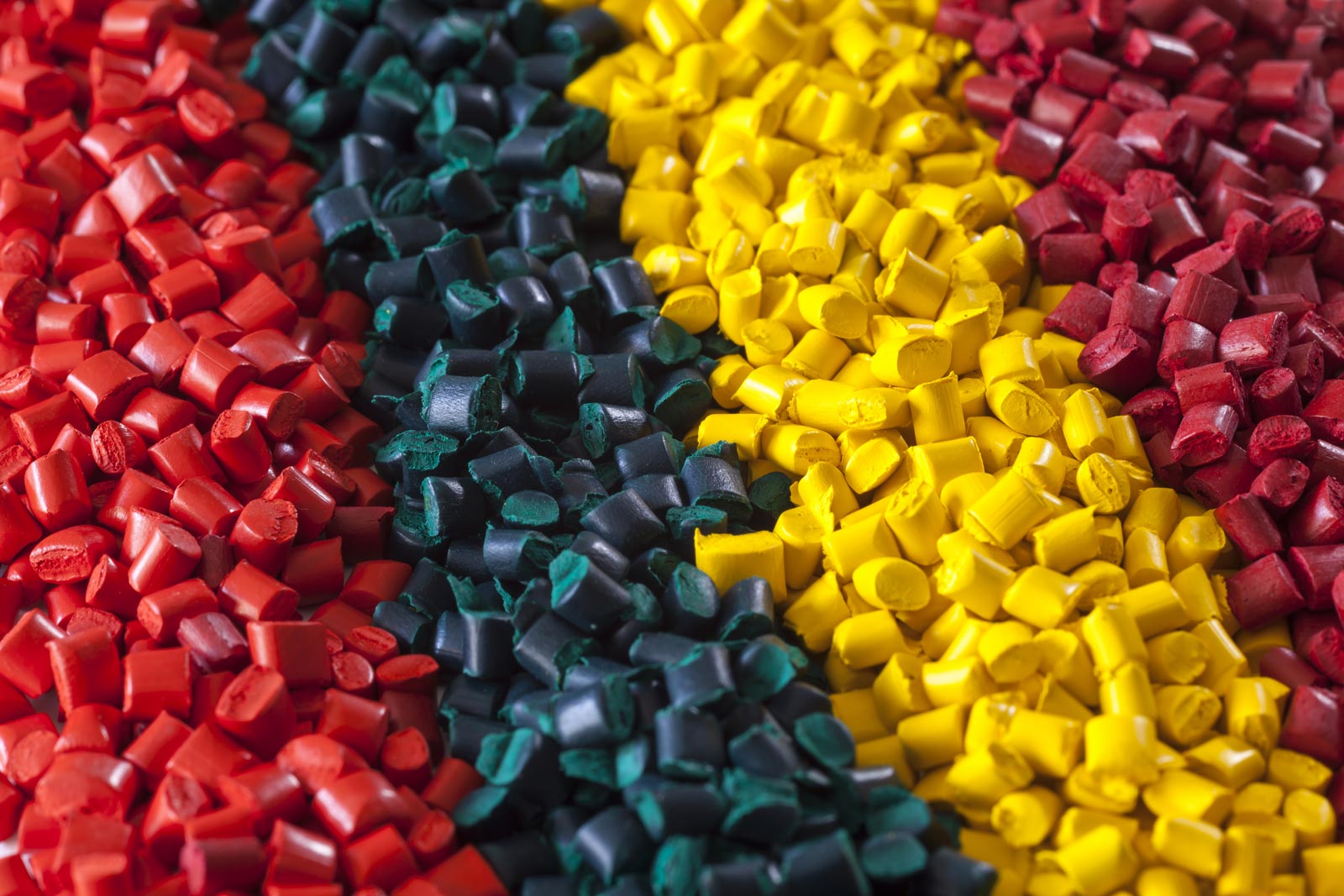
We offer a wide range of the most popular materials to match your specific requirements, including ABS, PC-ABS, PP, HDPE, LDPE, and various Nylons.. You can also provide your own material.

Tool Ownership:

In most instances, the customer will own the mold insert and tool storage is offered for 24 months.

Fast Lead Times

Customers can get parts in hand in as little as two weeks.

Advantages of Prototyping with Quickparts

Plastic Injection Moulding Company for Custom Prototypes

Prototypes

No two projects are alike, but we’ve seen enough to know how to navigate almost any starting point. Some come with fully polished CAD models, others with rough sketches, and some are already sourcing tooling. Our team meets you where you are and helps you move fast without cutting corners.

01

I need help choosing the right tooling solution

If you’re unsure which tooling approach is best, we’ll help you select the right option based on your part complexity, timeline, and production goals. We’ll walk you through the various benefits and tradeoffs so you can make an informed decision before moving forward.

02

I need a Moulding tool

Once your design is ready, we’ll build your tool in-house. Most prototype tools are made from aluminum and can run low-volume parts quickly. We’ll confirm the material you want to mold with, how many parts you need, and whether you’ll need any other details. You’ll review and approve everything before we begin.

03

I’m ready to start prototyping

If you already have a finished design and just need parts, we’ll move straight into production. You send your files, we build the mold, and once it’s done, we start moulding your parts using production-grade thermoplastics. Most prototypes ship in a matter of days.

Technical Specification for Injection Moulding Prototypes

Standard Part Size

200 x 200 x 114mm or 8″ x 8″ x 4.5″

Tolerances

DIN EN ISO 20457 class T6 (W); further tolerances according to customers’ 2D drawing

Wall Thickness

Material dependent, typically minimum 0.8 mm/0.03″

Radii

Can do EDM – sharp corners, according to customers’ specifications

Injection Moulding Industries & Products

Ready to start your prototyping journey?

Upload your CAD files or contact us today for a free quote and to discuss your prototyping or bridge-to-manufacturing needs.

Upload your files to get started on our QuickQuote online portal. A dedicated representative will reach out to finalize the details of your project.

Submit a request. This option is ideal for high-volumes or parts and complex applications.

About Quickparts: One of the World’s Leading Injection Moulding and Prototyping Companies

We are the originator of a full digital manufacturing platform that delivers on-demand manufacturing services. From prototyping to high volume production, Quickparts operates the most advanced technology and possesses the expertise to handle most manufacturing projects.

With facilities stationed around the world, including two centers of Injection Moulding excellence, each staffed with experienced engineers laser-focused on meeting your specific requirements as effectively and quickly as possible, you can trust Quickparts as one of the premier suppliers with all of your manufacturing needs.

We have a streamlined approach to mold making, plastic Injection moulding, and engineering processes. We have a separate team of quality control specialists who understand the importance of value, quality, and consistency in moulded products. This is how we differentiate ourselves from our competitors.

Injection Moulding and Prototyping FAQs

What is injection moulding prototyping?

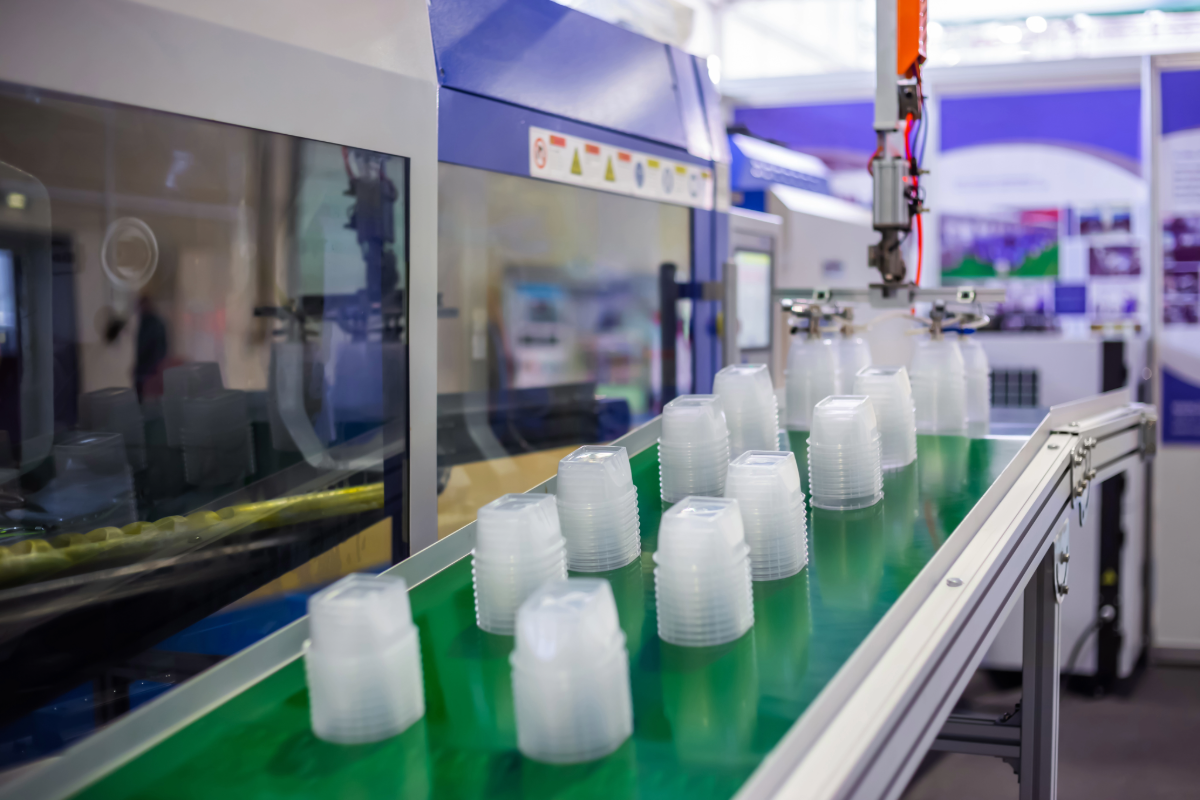
Injection moulding prototyping is how we create samples of a plastic part. It works just like production moulding by injecting melted plastic into a mold, but the molds for prototypes are made from softer materials like aluminum and built for speed, not volume.

This lets engineers and designers test the look, fit, and function of a part before committing to high-volume production. It’s faster and more affordable than full production, and helps catch design issues early.

How does injection moulding prototyping work?

Here at Quickparts, the process starts with your CAD file, the 3D model of your part. Here’s how it works:

  1. Design review: After you submit your CAD file, an engineer conducts a DFM review. This checks for any features that could cause issues during moulding.
  2. Tool creation: Once your design is approved, we machine a prototype mold. The mold consists of a core and a cavity that form the shape of your part. Side actions or inserts may be added to handle more complex geometries.
  3. Mold setup: The completed mold is mounted into an injection moulding machine. Plastic pellets are fed into a heated barrel, melted, and then injected at high pressure into the mold cavity.
  4. Part ejection: After the plastic cools and solidifies, the mold opens, and ejector pins push the part out. The cycle repeats for each prototype part needed.

This whole process closely mirrors production, but with faster tooling, so you can test and revise quickly.

When should you use rapid injection moulding for prototyping?

You should use rapid injection moulding when you:

  • Need real materials for testing or validation
  • Want to check part fit and function before mass production
  • Need to meet tight development timelines for launches or demos
  • Want small production runs for market testing

What industries use injection moulding for prototyping?

Injection moulding prototyping is used across nearly every industry that relies on plastic parts, like:

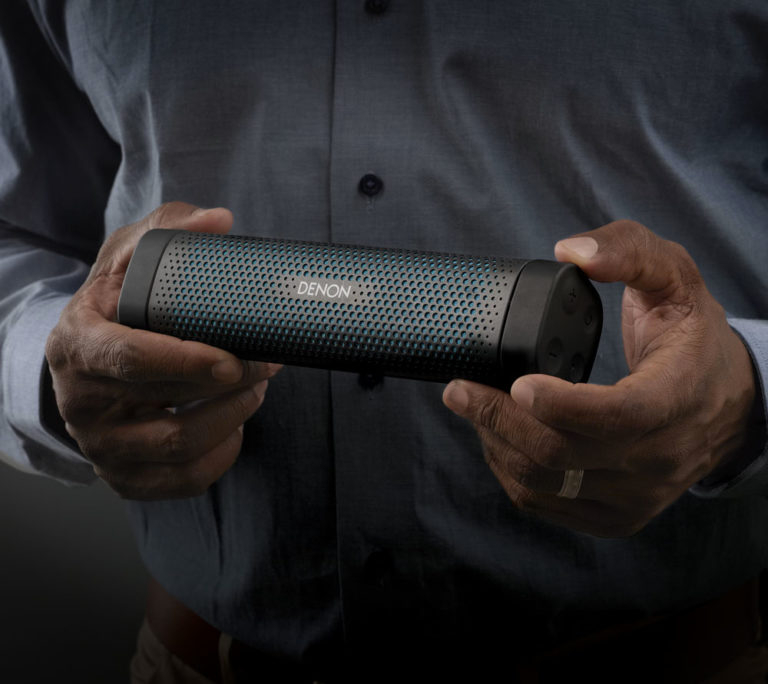
  • Consumer products: Housings, enclosures, and everyday plastic components
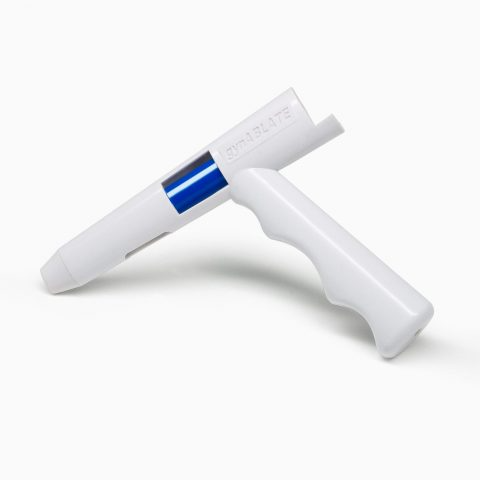
  • Medical devices: Surgical tools, testing components, or housings that must meet tight tolerances
  • Automotive: Under-the-hood parts, interior trims, and functional clips or brackets
  • Electronics and telecommunications: Connectors, cases, and small components
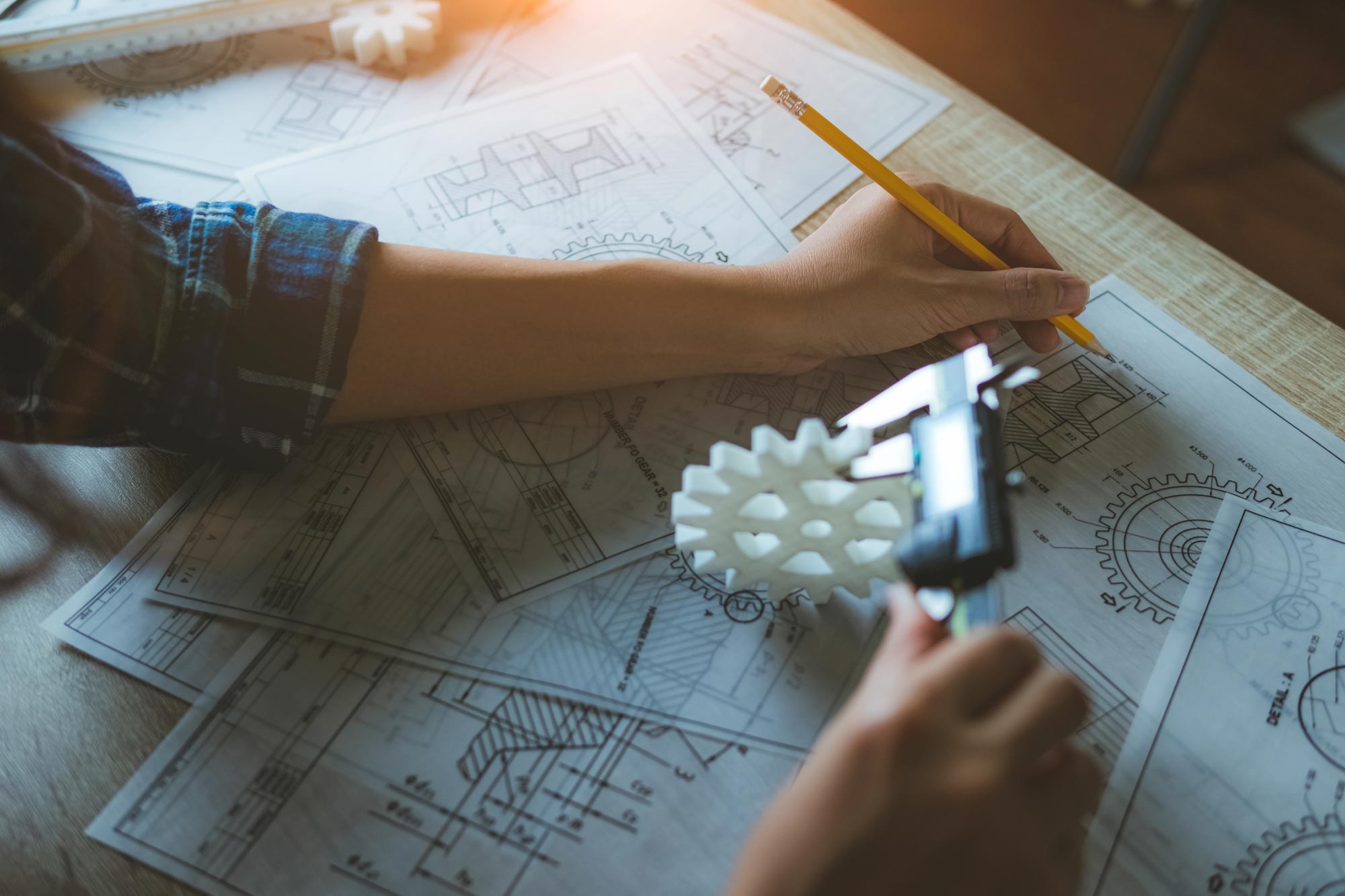
  • Industrial and mechanical: Gears, brackets, and other durable parts

Why should you use a prototyping tool?

A prototyping tool lets you test your part in real-world materials and moulding conditions before committing to full-scale production. It’s a low-risk way to validate your part design for fit and function or catch moldability issues early.

You can also get feedback on how your chosen material behaves under actual moulding conditions. Prototyping reduces lead times by avoiding repeated redesigns once production starts.