ITAR Registration

Does your project require ITAR compliance?

Your project may require ITAR compliance if it involves defense articles, USML-listed items or export-controlled technical data, including aerospace parts, guidance system housings or government-contracted prototypes. If you’re unsure whether your project is ITAR-controlled, flag it at the quote stage, and we’ll assist you.
3d printed part evaluation

What is ITAR?

ITAR stands for International Traffic in Arms Regulations. These U.S. rules govern the movement of defense-related parts, services, and technical data between people, companies, and countries.

For manufacturers, ITAR can apply when a project includes defense parts, military applications, export-controlled CAD files, or restricted drawings. An ITAR-compliant manufacturer must control who can access that information, how it is stored, and how it is shared during the project.

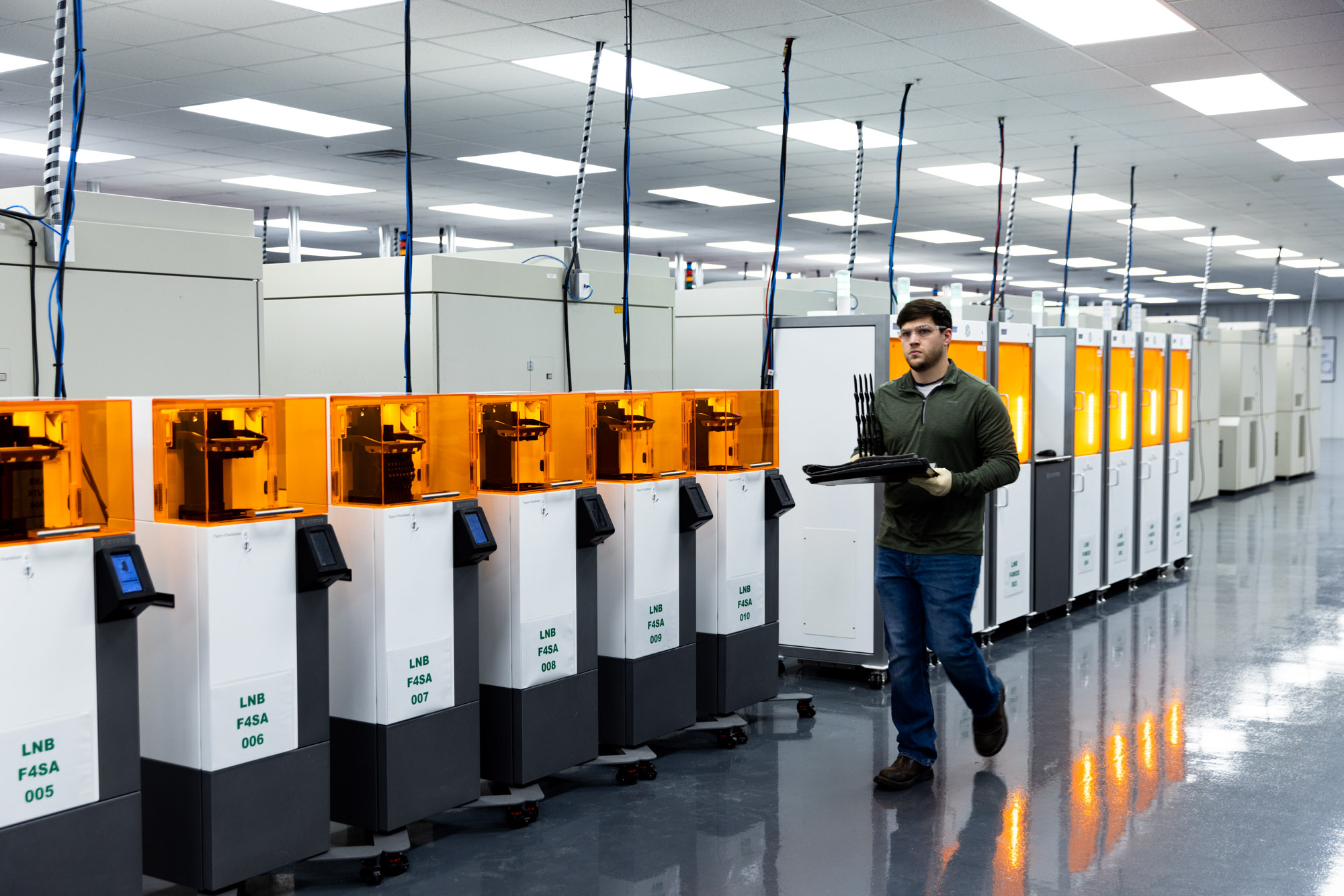
dlp printing facility

Steps for ITAR Compliance

ITAR compliance starts with knowing whether a project includes export-controlled parts, technical data, or government contract requirements. Quickparts uses that information to route each project through the right workflow before production begins.

  • Confirm ITAR registration: Quickparts maintains ITAR registration through DDTC for eligible defense-related manufacturing projects.
  • Collect project details early: We ask customers to identify any export-controlled information or U.S. government contract requirements before exchanging files.
  • Separate controlled and non-controlled work: Our teams route export-controlled and non-export-controlled projects through the proper workflow.
  • Use secure information exchange: Export-controlled customers share project information through a secure server.
  • Limit access to controlled data: Controlled project information is available only to U.S. citizens confirmed through HR.
  • Maintain project controls: Quickparts manages restricted files, project data, and production requirements through controlled processes.

These steps allow Quickparts to protect sensitive customer information while supporting ITAR-compliant manufacturing.

What does ITAR registration mean for Quickparts’ customers?

You can trust Quickparts to securely handle your data and deliver projects in full compliance with U.S. government regulations, including ITAR requirements. Our ITAR registration ensures that your sensitive design and manufacturing information is protected throughout every stage of production, even before manufacturing begins.

For more information on ITAR Registration and compliance requirements, visit the U.S. Department of State.

Get a Quote for ITAR Registration

This field is for validation purposes and should be left unchanged.
Name(Required)

Get started with Quickparts’ manufacturing services

You’re seconds away from starting your Quickparts project.

Sign in or register for your free account.

Get a QuickQuote®, order, and receive your quality part quickly.

Connect with an engineer.

We’re standing by to guide you through the most complex challenges.

ITAR registration FAQs

Does my project require ITAR compliance?

Your project may require ITAR compliance if it involves defense articles, USML-listed items, or export-controlled technical data. This can include defense-related parts, restricted CAD files, controlled drawings, or prototypes tied to a U.S. government contract.

What’s the difference between ITAR registration and ITAR compliance?

ITAR registration means a company has registered with DDTC to support work involving defense articles or export-controlled technical data. Registration is an important step, but it does not, on its own, cover every compliance requirement.

ITAR compliance refers to the controls a company follows when handling restricted project information. These controls can include project screening, secure file exchange, access limits, and proper handling of controlled technical data.

Do prototypes fall under ITAR controls?

Prototypes can fall under ITAR controls when they involve defense articles, USML-listed items, or controlled technical data. ITAR requirements can apply during quoting, design review, file transfer, and production.

How do I find out if a company is ITAR registered?

You can find out whether a company is ITAR-registered by requesting current registration details before sharing controlled files or drawings.

  • Review the company’s website or capability statement for ITAR registration.
  • Ask for its DDTC registration or compliance statement.
  • Confirm the registered facility matches where your project will be handled.
  • Ask how the company controls export-controlled files, drawings, and project data.
  • Check that the registration is current before sending controlled technical information.

What companies are subject to ITAR regulations?

Companies may be subject to ITAR when they manufacture, export, temporarily import, or handle defense articles, defense services, or related technical data. This can include machine shops, 3D printing providers, engineering firms, aerospace suppliers, and contractors working with USML-listed items.

How do you become ITAR registered?

A company can become ITAR-registered by submitting an application to the Directorate of Defense Trade Controls (DDTC). The process includes confirming whether ITAR applies, completing the required registration, and keeping internal controls active after approval.

  • Confirm whether the work falls under ITAR: The company reviews whether it handles defense articles, defense services, or controlled technical data.
  • Prepare company information: The business gathers ownership details, business activity, senior officer information, and other required registration details.
  • Submit the Statement of Registration: The company files its registration through DDTC, usually through the DECCS portal.
  • Pay the registration fee: DDTC requires payment before it processes the submission.
  • Keep the registration active: Registered companies must renew their registration each year.
  • Maintain internal controls: The company also needs processes for controlled files, access, records, data transfer, and project handling.