


Product development cycles are accelerating, driving the U.S. injection molding market toward a $3.40 billion valuation by 2030. This rapid pace means your choice of manufacturing partner now matters long before you hit full-scale production.
The best rapid injection molding companies help you validate designs faster, reduce tooling risk, and move from prototype to production without unnecessary delays.
Let’s explore some companies that blend modern manufacturing tech with hands-on expertise to keep projects on track.
Key Takeaways
- Rapid injection molding shortens development timelines by delivering production-grade parts for functional testing, design validation, pilot runs, and early launches.
- Top rapid injection molding companies pair quick-turn tooling with strong engineering support, including DFM review, material flexibility, and tooling paths that scale from prototype to production.
- Choosing the right partner comes down to execution details: lead-time definitions, DFM depth, inspection practices, communication, tooling ownership, material sourcing, in-house capacity, and the ability to scale as volumes grow.
What Is Rapid Injection Molding?
Rapid injection molding, also called quick molding, is a low-volume injection molding process built for speed. It bridges the gap between prototyping and full-scale production by producing functional parts using final production materials on a faster timeline.
Unlike traditional injection molding, which can take 8–16 weeks and relies on expensive steel tooling, rapid injection molding uses aluminum or hybrid molds and streamlined workflows to deliver parts in as little as five days. This gives you production-quality parts for functional testing, regulatory trials, pilot runs, or early market releases.
How Does Rapid Injection Molding Work?
Rapid injection molding follows the same foundational steps as traditional injection molding but is optimized for speed through quick-turn tooling and streamlined workflows. However, not all parts are good candidates for this approach. Design complexity, feature count, size, and required tolerances can influence whether a part qualifies for rapid molding.
Here’s how the process typically runs for parts that meet these constraints:
- Design: It starts with a 3D CAD model and detailed specs around tolerances, materials, and volumes. The design is reviewed for moldability, with adjustments made to reduce risk, improve repeatability, and fit within rapid tooling limits.
- Tooling Design: Engineers define the parting line, gates, runners, vents, and ejection strategy, building a mold layout that balances quick-turn manufacturing with performance needs. Some complex actions may be limited to maintain a short lead time.
- Tool Build: The mold is CNC-machined from quick-turn aluminum or hybrid materials. These tools prioritize speed over longevity but are engineered to hold tolerances for low to mid-volume runs.
- Material Selection: Resin choices are guided by performance needs—strength, temperature, flexibility, and chemical resistance. Designers also account for shrink and flow to ensure compatibility with the rapid tooling.
- Injection: Resin is melted and injected at controlled speed and pressure. Process settings are tuned to achieve complete, defect-free fills, though more complex geometries may require additional iteration or be better suited for traditional timelines.
- Cooling: Cooling time is minimized but must be sufficient to stabilize the part before ejection. Rapid molds are designed with efficient cooling paths, but thicker walls or complex shapes can add cycle time.
- Ejection and Finishing: Ejector pins or plates release the part, protecting critical features. Parts then go through trimming, inspection, and any required post-processing to complete the order.
While rapid injection molding is ideal for many prototyping and low-volume production scenarios, parts with high complexity, tight tolerances, or large sizes may require standard tooling and longer timelines. Identifying these limitations early is part of what makes a consultative partner valuable in the design-to-production process.
Rapid Injection Molding vs. Standard Injection Molding
Rapid injection molding focuses on speed for low-volume runs, especially when you want functional parts made with final production materials. It uses aluminum or hybrid molds and streamlined workflows to deliver parts in as little as five business days, making it a practical bridge between early prototyping and full-scale production.
Standard injection molding targets durability and scale for sustained production. It relies on pre-hardened steel molds and inserts to support consistent quality across large batches, but requires longer lead times and higher upfront tooling investment.
You should choose rapid injection molding when you need production-quality parts quickly for design verification, beta testing, investor demos, regulatory or clinical evaluation, pilot runs, or early market releases. It also works well when you expect iterations, since changes to long-run steel molds tend to take longer and cost more than updates to quick-turn tooling.
You should choose standard injection molding when part geometry and specifications are finalized, volumes are high, and long-term unit cost, tooling longevity, and process stability matter more than speed.
Benefits of Rapid Injection Molding
Rapid injection molding helps you get production-grade parts faster, with fewer delays and fewer surprises. Here are the key benefits of rapid injection molding:
- High speed: Accelerates the shift from prototype builds to production-ready parts, helping teams capture market opportunities faster
- Cost-effectiveness: Reduces upfront tooling spend compared to traditional steel molds, especially for short runs and early-stage production
- Material versatility: Supports a wide range of thermoplastics, allowing teams test parts with realistic materials and performance
- Design validation: Enables real-world testing of molded parts, which helps teams catch issues early and reduce the risk of market failures
Best Rapid Injection Molding Companies
This list shows the best rapid injection molding companies selected based on a review of publicly available product and service information, stated turnaround capabilities, tooling approaches, engineering support, and customer feedback where available.
1. Quickparts

Year founded: 1990
Location: Seattle, Washington, USA
Quickparts specializes in rapid injection molding for high-fidelity prototypes, pre-production parts, and series production components manufactured in production-grade materials. They offer steel and aluminum tooling and support early validation through scale-up, backed by in-house manufacturing and a vetted US and Europe partner network for consistent quality and traceability.
Quickparts offers its rapid molding service, Quick Mold, which uses aluminum soft tooling to produce simple, low-volume molded parts on short timelines, with parts shipping in as little as five days. This service includes rapid quoting and early design-for-manufacturability (DFM) feedback to identify geometry or tooling constraints before production begins. Aluminum tools for Quick Molded Parts are designed for prototype and T1 sample runs, with tool life supporting at least 250 parts.

Injection molding capabilities:
- Rapid injection molding (Quick Molded Parts): Aluminum soft tooling for simple prototype or low-volume, production-grade parts, with fast quoting, early DFM feedback, and parts shipping in as little as five days.
- Prototype and bridge-to-production molding: In-house CNC-machined steel and aluminum tooling that supports higher part counts, design iterations, and a controlled transition from early builds into repeat production.
- Production injection molding: Steel tooling designed for sustained manufacturing volumes, supporting thousands to 1,000,000+ units with customer-specified production materials and stable process control.
- Tooling range and setups: Steel and aluminum molds across Class 105 through Class 103, including single- and multi-cavity tools, insert molding, and overmolding when part design allows.
Other manufacturing and production services:
- CNC machining: Produces precise metal and plastic parts using CNC milling, turning, and EDM for prototypes and production runs
- Sheet metal fabrication: Builds sheet metal parts for prototyping and volume production using on-demand manufacturing workflows
- 3D printing: Creates plastic and metal parts for rapid prototyping and low-volume manufacturing, including processes like stereolithography (SLA) and https://quickparts.com/sls-printing/
- Cast urethane (vacuum casting): Makes high-precision parts that mimic the look and feel of urethane materials
- Investment casting patterns: Supplies patterns used to support investment casting workflows
- Die casting: Supports die casting as an additional production option when projects fit that process
2. Fathom

Year founded: 1969
Location: Hartland, Wisconsin, USA
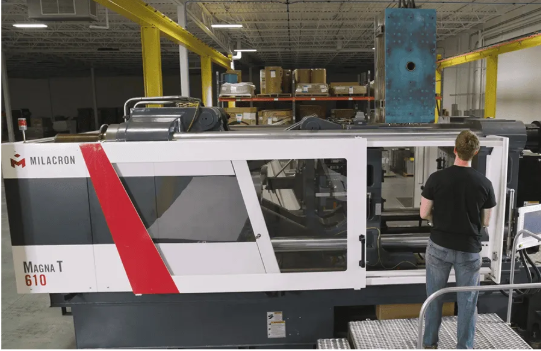
Fathom provides plastic injection molding through a contract manufacturing model that supports domestic, international, and hybrid production approaches. The company works across prototyping and mid-volume programs, combining tooling resources, partner capacity, and engineering support so teams can align part requirements with sourcing strategy as volumes change.
Programs can stay in the U.S., move to overseas production, or use export tooling that transitions between regions when cost, lead time, or capacity requirements shift.
Injection molding capabilities:
- Prototype tooling: Builds prototype and bridge tools, including hardened steel options where program needs require longer tool life.
- Production tooling: Designs and produces production molds with gating and cooling systems matched to geometry and volume requirements.
- MUD-based tooling: Uses a Master Unit Die frame with interchangeable insert plates for programs that benefit from modular tooling setups.
- Bridge and short-run molding: Produces limited runs for design verification and pilot builds while long-term production tools are in progress.
Other manufacturing and production services:
- 3D printing: Provides additive manufacturing options with post-processing for prototype and production applications.
- CNC machining: Machines metal and plastic parts for prototype and low-to-mid volume production, with support for tight-tolerance features.
- Metal cutting and forming: Produces sheet metal parts through cutting, bending, rolling, forming, and assembly, with finishing support when required.
3. Fictiv

Year founded: 2013
Location: San Francisco, California
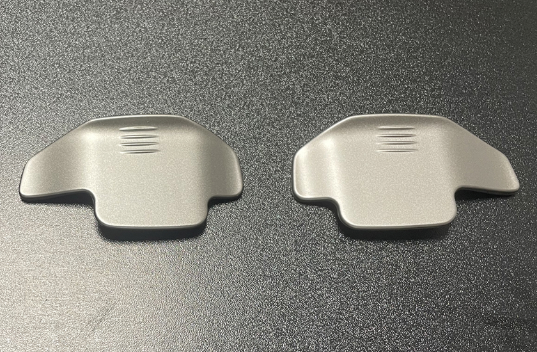
Fictiv provides injection molding through a partner network with production in the United States, Mexico, and China, supported by regional operations teams. The service supports orders without a minimum quantity requirement, with production scheduled after tooling and material readiness.
Before tooling begins, Fictiv provides DFM feedback that covers draft, wall thickness, and sink risk, along with part visualization supported by a technical project lead. The company offers aluminum and steel molds and provides mold storage after the most recent order, with storage terms tied to reorder timing.
Injection molding capabilities:
- DFM and mold-flow support: Provides automated DFM feedback in the quote-to-order workflow, with mold-flow insights and additional visualization or analysis available when requested.
- Prototype and bridge tooling: Supports prototype and bridge programs with tooling paths that deliver initial samples for early validation and pilot runs.
- Production molding: Supports production programs using a range of mold classes and press capacities, with tooling and process selection matched to volume and part requirements.
- GlobalFlex tooling: Uses tooling inserts that fit standardized frames and can run across multiple regions, allowing production to shift as sourcing strategies change.
Other manufacturing and production services:
- 3D printing: Provides multiple additive processes for prototype and production applications, with post-processing and finish options.
- CNC machining: Offers milling and turning for metal and plastic parts, paired with inspection support.
- Sheet metal fabrication: Produces cut, formed, and assembled sheet metal parts for enclosures and structural components.
- Die casting: Supports die casting through a managed partner network for programs that require cast metal parts.
4. Hi-Rel Plastics & Molding
Year founded: 1984
Location: Riverside, California
Hi-Rel Plastics & Molding supports rapid-turn injection molding programs through part evaluation, prototyping, tool design, toolmaking, sampling, and production. The company processes thermoplastic resins, including engineering-grade materials such as PEEK, ULTEM, PVDF, LCP, and PPS.
Hi-Rel also accepts existing molds, evaluates them in its tool room, performs repairs or refurbishment, adapts tools to its molding equipment, and runs samples before production.

Injection molding capabilities:
- Tooling support: Builds tooling in-house and inspects, repairs, refurbishes, and adapts customer-supplied molds before sampling and production
- Cleanroom molding: Molds parts in an ISO 7 (Class 10,000) clean room for controlled-environment requirements
Other manufacturing and production services:
- Pad printing: Applies ink-based markings or graphics to molded parts for branding, labeling, or identification.
- Ultrasonic welding: Joins plastic components using ultrasonic vibration to create a bonded assembly without adhesives.
- Product assembly services: Assembles molded components into finished or sub-assembled products, with support for kitting and packaging workflows.
5. Murray Plastics

Year founded: 1998
Location: Gainesville, Georgia
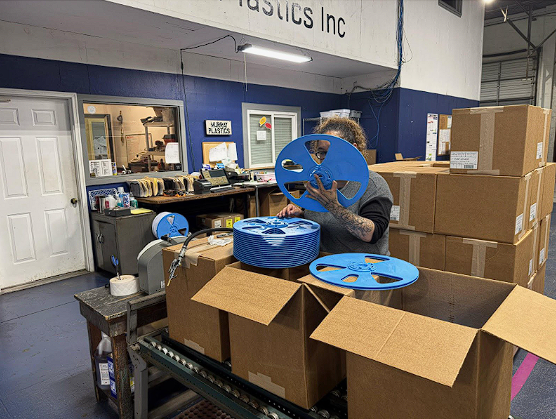
Murray Plastics provides injection molding programs supported by in-house mold building and engineering services. The company works from early part definitions, including sketches or CAD models, through tooling, molding, and downstream production needs such as fulfillment and distribution. It processes a range of plastic materials, including eco-friendly options, and supports short-run and ongoing production programs through in-house coordination rather than multiple handoffs.
Injection molding capabilities:
- Custom injection molding: Produces molded components using customer-specific tooling and process setups matched to part geometry and program requirements.
- Mold building: Designs and builds molds in-house to support new programs, revisions, and ongoing tooling maintenance.
- Material options: Works with a range of plastic materials, including eco-friendly options, and supports resin selection based on performance and application needs.
- End-to-end production support: Supports program steps from early design input through molding, packaging, and distribution workflows.
Other manufacturing and production services:
- Secondary operations: Performs ultrasonic welding, assembly, surface finishing, bar-code labeling, packaging, and fulfillment.
- Inventory and distribution: Manages inventory, warehousing, and distribution to support flexible ordering and logistics planning.
- Design and engineering: Provides design and engineering support alongside tooling and molding to support part development and revisions.
6. Nicolet Plastics

Injection molding capabilities:
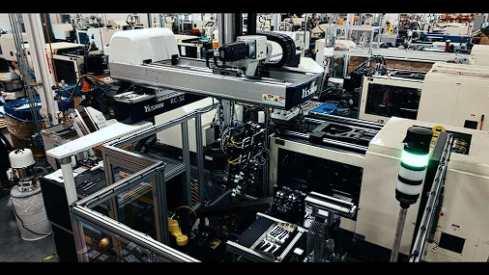
- Custom injection molding: Produces thermoplastic parts across a range of volumes using multiple press sizes to support different part geometries and resin requirements.
- Automated insert molding: Runs automated insert molding cells to mold parts around inserts and embedded components.
- Overmolding: Molds secondary materials over a base component when programs require multi-material construction.
- Tight-tolerance and micro molding: Produces small or tolerance-controlled components where dimensional stability is a primary requirement.
Other manufacturing and production services:
- Additive manufacturing: Produces prototype and low-volume parts using plastic and metal 3D printing for design validation and production planning.
- Metal to plastic conversion: Converts metal components to engineered plastics to adjust weight, assembly approach, and performance requirements.
- Post-molding and assembly operations: Provides secondary operations such as ultrasonic welding and hot plate welding, decorating, pad printing, labeling, and manual or automated assembly.
7. Protolabs

Year founded: 1999
Location: Maple Plain, Minnesota, USA
Protolabs provides rapid injection molding through a digital quoting workflow that starts with CAD upload and returns automated manufacturability feedback. The company builds prototype tooling using aluminum mold blocks and supports prototype, short-run, and bridge programs where teams need molded parts while longer-term production tooling or supply plans develop.
Protolabs operates in-house manufacturing facilities and also extends capacity through Protolabs Network, a managed partner ecosystem.

Injection molding capabilities:
- Prototype injection molding: Produces plastic and liquid silicone rubber parts using aluminum tooling, with an initial sample stage supported by DFM-driven design review.
- On-demand injection molding: Supports low- to mid-volume molding using single- and multi-cavity tools, with optional quality documentation and inspection outputs based on program requirements.
- Liquid silicone rubber molding: Molds silicone components using LSR processes for parts that require elastomer performance.
Other manufacturing and production services:
- CNC machining: Provides milling and turning for metal and plastic parts, with finishing and inspection options.
- 3D printing: Produces parts using multiple additive processes for prototypes and low-volume production needs.
- Sheet metal fabrication: Produces cut, formed, and assembled sheet metal components with finishing options.
- Digital manufacturing network: Extends capacity and capabilities through a managed partner network for additional volume and program requirements
8. Protoshop

Year founded: 2021
Location: Carlsbad, California, US
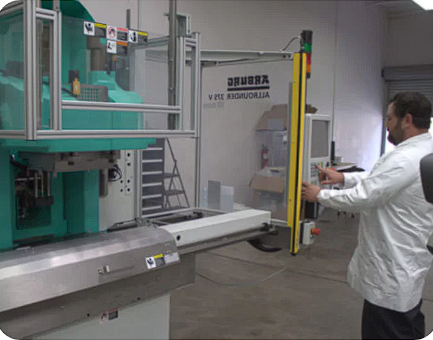
Protoshop provides prototype injection molding and prototype tooling for engineering teams that need production-representative plastic parts during product development. The company CNC-machines prototype molds in soft metals and runs parts on production injection molding equipment so teams can evaluate fit, function, and material behavior using molded parts rather than substitute prototypes.
Programs typically begin with a part upload and moldability review, followed by tool fabrication, sampling, and additional runs as needed. Protoshop supports stock and customer-supplied resins and provides inspection documentation and order tracking through its customer portal.
Injection molding capabilities:
- Prototype injection molding: Produces low-volume molded parts using prototype tools while running standard injection molding cycles on production equipment.
- Prototype tooling and mold fabrication: Designs and machines prototype molds using soft tooling materials such as aluminum or pre-hardened steel to support sampling and design refinement.
- Insert molding: Molds plastic around inserts to create integrated components when part design requires embedded hardware or features.
- Complex geometry support: Supports parts with microfeatures, thin sections, and multi-material requirements when tooling design allows for stable processing.
- Engineering change support: Modifies prototype tools to incorporate design changes between sampling cycles when new geometry is provided.
Other manufacturing and production services:
- Design review: Provides moldability reviews that identify risk areas tied to geometry, resin behavior, and common molding defects before tooling begins.
- Material selection support: Assists with resin selection across thermoplastic grades and aligns material behavior with tooling and processing constraints.
- Inspection and reporting: Provides dimensional inspection, CTQ measurement support, and documentation shared with shipments and project status updates.
9. Rapid Molding

Year founded: 1993
Location: North Canton, Ohio, USA
Rapid Molding (formerly Rapid Molds) provides rapid injection molding programs that span prototype, bridge, and production tooling paths. The company builds and runs molds using in-house machining and EDM processes, with an internal routing model intended to keep tooling moving through each stage from design to completion. Depending on the program, Rapid Molding also uses proprietary mold systems and evaluates approaches such as 3D printed cores or cavities when the part design and requirements allow.

Injection molding capabilities:
- Prototype tooling and molding: Supports low-volume programs using prototype tools, including parts with undercuts and threaded features that require unscrewing mechanisms.
- Bridge tooling and molding: Supports moderate-volume programs using bridge tools, including family and multi-cavity molds and automatic undercut and unscrewing configurations.
- Rapid production molding: Supports production programs using production-class tooling, with tool designs intended for longer service life and automated production setups.
Other manufacturing and production services:
- Plastic product design and CAD support: Supports CAD creation and part changes intended to align geometry with molding requirements.
- Mold storage and maintenance: Stores and maintains molds, including long-dormant tooling based on stated policies.
- Mold finishing: Provides surface textures and finishing options, including acid-etched textures and SPI A-series polished finishes when specified.
10. UPTIVE

Year founded: 2016
Location: Libertyville, Illinois, USA
Uptive provides injection tooling and molding as part of a broader manufacturing platform that includes additive manufacturing, CNC machining, and sheet metal fabrication. The company operates across multiple facilities in the United States and Mexico and supports programs that move from prototype builds into repeat production.
Its tooling work uses CNC-based manufacturing equipment, including multi-axis machining, EDM, and grinding processes, to produce mold bases and inserts for programs that require defined tolerances, specific resins, or more complex tool actions. Uptive also reviews part geometry for manufacturability and maintains project communication checkpoints during tooling and production.
Injection molding capabilities:
- Rapid, bridge, and production tooling: Produces steel and aluminum tooling options aligned to low-volume, bridge, and production programs.
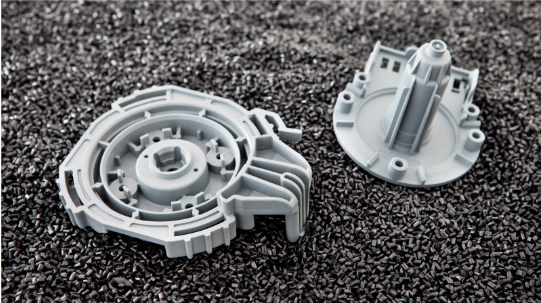
- Custom injection molding: Molds plastic components using proprietary mold bases and inserts, including configurations for insert molding and two-shot molding when required.
- Complex part geometries: Supports undercuts, threads, and intricate features through tool actions, inserts, and mold base design matched to the part geometry.
Other manufacturing and production services:
- Additive manufacturing: Produces parts using industrial 3D printing across polymers and metals for prototype and production applications.
- CNC machining and sheet metal: Machines and fabricates metal components using multi-axis CNC processes and sheet metal forming workflows.
- Post-processing and finishing: Provides finishing and coating services, supported by inspection and quality documentation aligned to program requirements.
11. Valencia Plastics
Year founded: 2000
Location: Valencia, California, USA
Valencia Plastics supports rapid injection molding programs for prototype builds and short-run production. The company operates an in-house mold shop and uses CAD and CAM workflows to move from part data into tooling and molded output within one organization. It also supports downstream needs tied to early builds, including secondary operations, assembly, packaging, and storage, which can be used when parts need to ship as subassemblies or in production-ready kits.

Injection molding capabilities:
- Part size range: Molds parts ranging from micro components to larger parts within its listed shot-size limits.
- Tooling types: Produces single-cavity aluminum prototype molds and single-cavity steel molds, with tool-life ranges based on tool material and program requirements.
- Multi-part tooling: Builds family molds and multi-cavity tooling, including hot runner configurations and higher-cavity layouts where the part and volume requirements support them.
Other manufacturing and production services:
- Engineering and CAD: Provides engineering support using CAD software to support part development and iterations.
- Product development support: Supports new product development programs, including inventor support, alongside molding and production services.
12. Xometry

Year founded: 2013
Location: North Bethesda / Gaithersburg, Maryland, USA
Xometry provides injection molding through an online marketplace model that connects customers to a managed manufacturing partner network rather than producing parts in-house. The platform centralizes quoting, engineering evaluation, quality oversight, and project coordination, while production is completed by external partners. Programs can be configured for domestic or international sourcing based on lead time, cost, and part requirements, with quoting initiated through a CAD upload workflow.
Injection molding capabilities:
- On-demand injection molding: Supports prototype and production molding through a partner network, with sourcing options tied to program requirements.
- Tooling options: Supports aluminum and steel tooling, including single-cavity, multi-cavity, and family molds, with mold classes spanning prototype through production tooling.
- Materials and finishes: Supports thermoplastic material options and mold finish options based on part and program specifications.
Other manufacturing and production services:
- Metal part production: Offers die casting, metal stamping, and metal extrusion
- Sheet and tube fabrication: Provides sheet metal fabrication, sheet cutting, laser cutting, waterjet cutting, laser tube cutting, and tube bending
- Additive manufacturing: Offers 3D printing options across multiple processes, including FDM, SLS, SLA, PolyJet, MJF, and metal 3D printing paths.
What to Look For in Rapid Injection Molding Companies
Choosing the right rapid injection molding company directly impacts part quality, lead time, and overall manufacturing efficiency. Use the evaluation areas below to compare providers on what matters for your timeline and risk:
-
- End-to-end partnership: Look for a team that can support design review, tooling, sampling, production, and post-molding steps without forcing you to coordinate multiple vendors
- Transparent communication: Confirm they share clear timelines, constraints, and update cadence, and document changes to tooling, scope, or lead time as the project evolves
- Robust manufacturing analysis: Prioritize providers that offer DFM feedback and moldability checks early, so you catch issues with draft, wall thickness, shrink, and gating before tooling begins
- Tool ownership: Verify who owns the mold, inserts, and CAD data, and confirm how they store, maintain, and transfer tooling if you need to move production later
- Fast delivery times: Check how they define lead time (tooling vs first articles vs full run) and what they can commit to on short-run schedules
- Material flexibility and expertise: Make sure they can run the resins you need, recommend substitutes when supply shifts, and explain how material choice affects shrink, finish, and tolerances
- Quality assurance and precision: Ask how they inspect parts, report results, and handle tolerance-critical features, including first article inspection and ongoing QC checks
- In-house manufacturing: In-house tooling and molding can reduce handoffs, but confirm actual capacity, equipment, and what they outsource on tight timelines
- Long-term fit: Choose a partner that can handle revisions now and scale later, including bridge production, higher volumes, and repeatable quality as requirements tighten
Partner with the Best Rapid Injection Molding in the US
Choosing a rapid injection molding partner affects how quickly you can validate parts and how smoothly you can move from early builds into repeat production. You want a supplier that can build quick-turn tooling, provide useful DFM feedback, and support inspection requirements that match your tolerances and end-use expectations.
Quickparts supports rapid injection molding through Quick Mold, with quoting and file submission handled in QuickQuote®. You upload your CAD files, receive a manufacturability review, and select a tooling path based on quantity, material, and program requirements. Quick Mold is positioned for prototype and bridge programs that require molded parts on short timelines, including cases where parts are delivered in days rather than weeks.
After submission, Quickparts follows a defined workflow that includes engineering review, manufacturability analysis, and first-article inspection before proceeding to the full run. Because it operates its own manufacturing facilities and also works with a vetted partner network, the same project structure can carry through tooling, molding, material selection, and secondary requirements such as finishing and cosmetic constraints.
Ready to move forward? Submit your CAD files through QuickQuote® to request a free quote with Quickparts.
Get your free quote with Quickparts today!
Rapid Injection Molding FAQs
Can rapid injection molding produce end-use parts?
Yes. Rapid injection molding can effectively produce end-use parts for low to mid-volume runs, pilot launches, service parts, and bridge production. It uses production-grade thermoplastics and the same molding process, but the tooling typically targets shorter tool life than hardened steel molds, so it’s best when you need real parts quickly rather than long-run, very high-volume production.
Is rapid injection molding expensive?
Rapid injection molding is often less expensive initially because quick-turn tooling costs are lower than those of full production steel tooling. Costs increase if you need tight tolerances, complex features, premium finishes, or specialized resins, and per-part pricing often drops only at higher volumes.
Is the rapid injection molding product durable?
Yes, rapid injection molded parts can be durable because they use the same production-grade thermoplastics and molding process as standard injection molding. The main limitation is tool life, not part strength, so durability depends on the material you choose, the part design, and how the part is used.